We are your neighborhood farmer

We are your neighborhood farmers -- Get in touch at 707 347-9465 or wmorgenthaler@gmail.com
Showing posts with label native. Show all posts

Tuesday, February 13, 2018

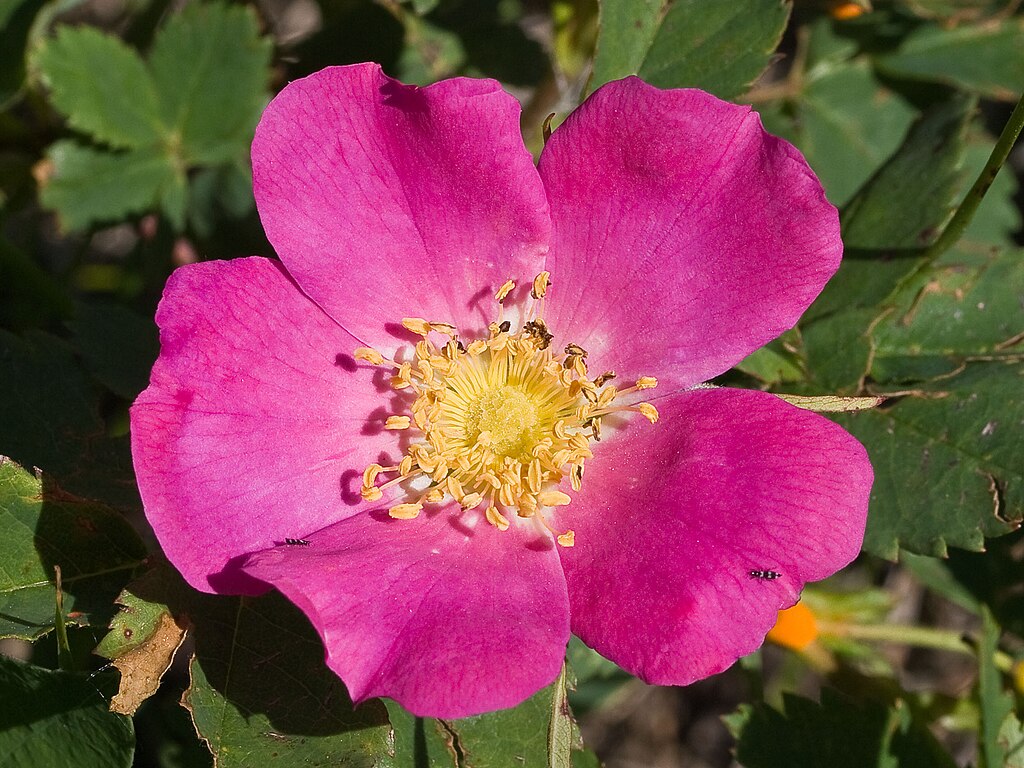
Rosa woodsii - Wikipedia

Rosa woodsii - Wikipedia:

Rosawoodsii.jpg

 "It is native to North America including much of Canada and Alaska and the western and central United States. It grows in a variety of habitat types, including disturbed areas.[1]

In the Sierra Nevadas, it grows to 11,200 feet (3,400 m) in moist, rocky soils in mixed coniferous forest, upper montane forest, and subalpine forest.[2]"


'via Blog this'

Redbud, Cercis occidentalis

Redbud, Cercis occidentalis:

perhaps instead of crepe myrtel??? it is a native! and easy to grow both are a little slow


"The Western Redbud is a small deciduous tree or shrub found in the foothills and mountains of California. It grows in higher elevation mountains in Southern California, and foothills of central and northern california. The thin, shiny brown branches bear shiny heart-shaped leaves which are light green early in the season and darken as they age. Leaves on plants at higher elevation may turn gold or red as the weather cools. The showy flowers develop in the spring and are bright pink or magenta, and grow in clusters all over the shrub, making the plant very colorful and noticeable in the landscape. The shrub bears 3 inch long brown legume pods which are very thin and dry.

Best to plant Western Redbuds near seasonal streams, springs, damp areas or irrigated areas. With a little bit of water, this plant is very easy to grow in its natural range."


'via Blog this'

Western Thimbleberry, Rubus parviflorus

Western Thimbleberry, Rubus parviflorus:

recommended as better than salmonberry by paul odonnel


Rubus parviflorus (Thimbleberry) is a species in the Rosaceae (Rose) family native to western and northern North America, from Alaska east to Ontario and Michigan and south to northern Mexico. It is widespread in California. It grows from sea level in the north, up to 2,500 meter altitude in the south of the range. It is a dense shrub up to 2.5 meter tall with canes 3-15 millimeter diameter, often growing in large clumps which spread through the plant's underground rhizome. Rubus is the genus of raspberries and blackberries, but unlike most other members of the genus, it has no thorns. The leaves are palmate, 5-20 centimeter across, with five lobes; they are soft and fuzzy in texture. The flowers are 2-6 centimeter diameter, with five white petals and numerous pale yellow stamens. It produces a tart edible composite fruit 10-15 millimeter diameter, which ripen to a bright red in mid to late summer. Like other raspberries it is not a true berry, but instead an aggregate fruit of numerous drupelets around a central core; the drupelets may be carefully removed separately from the core when picked, leaving a hollow fruit which bears a resemblance to a thimble, perhaps giving the plant its name; it is also said that it may get its name from the Thimble Islands in Connecticut, though it is rarely seen there.

 "Rubus parviflorus"


'via Blog this'